

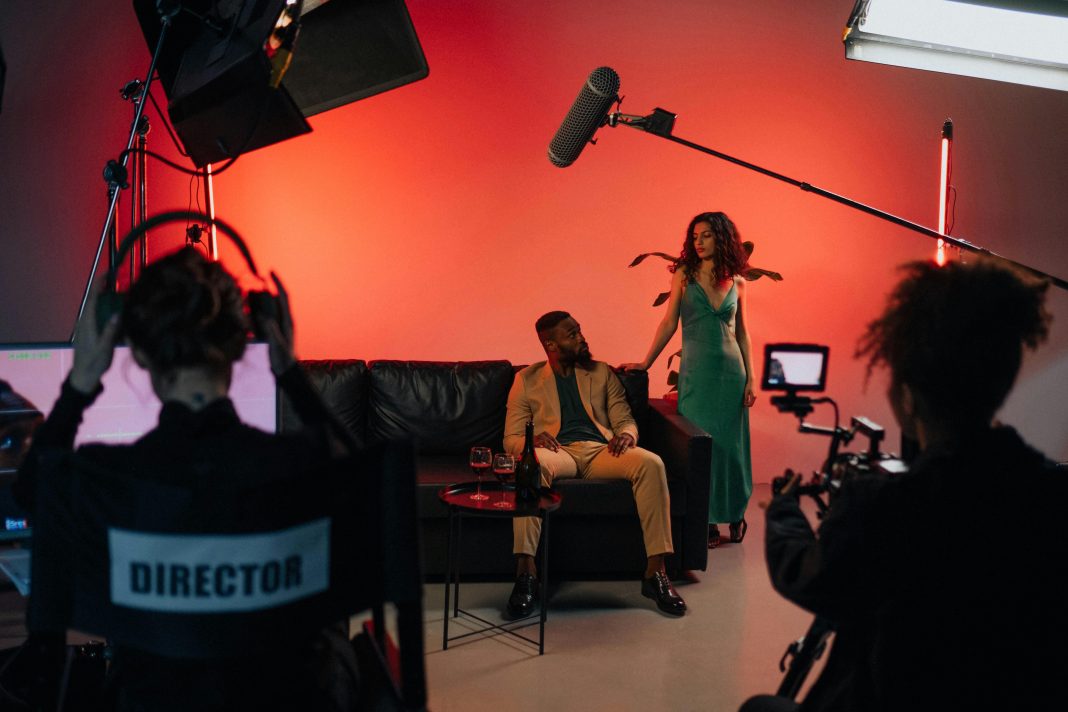

The Looney Tunes film Coyote vs. Acme was fully completed and had a star-studded cast with names like John Cena and Will Forte, it was ready for release. But instead of hitting theaters, the film was shelved indefinitely. Warner Bros. shocked fans and filmmakers when they canceled the movie entirely, opting to claim it as a tax write-off rather than letting it see the light of day
Movie studios love to brand themselves as being the artistic heart of Hollywood and the world. It is a shock to everyone when completed films get canned purely for financial gain. The growing trend of studios shelving completed films for tax write-offs exposes how corporate profit is increasingly prioritized over creative expression and audience experience.
The issue is hypocrisy, Warner Bros. Spent $75 million dollars in order to make the Loony Tunes film. Then after completion, their own internal marketing department deemed the film unmarketable. Warner Bros. tried selling it to other interested parties instead of releasing it themselves, but the highest offer they received was around $40 million dollars. They thought it was best to take a $35 million dollar tax write off.
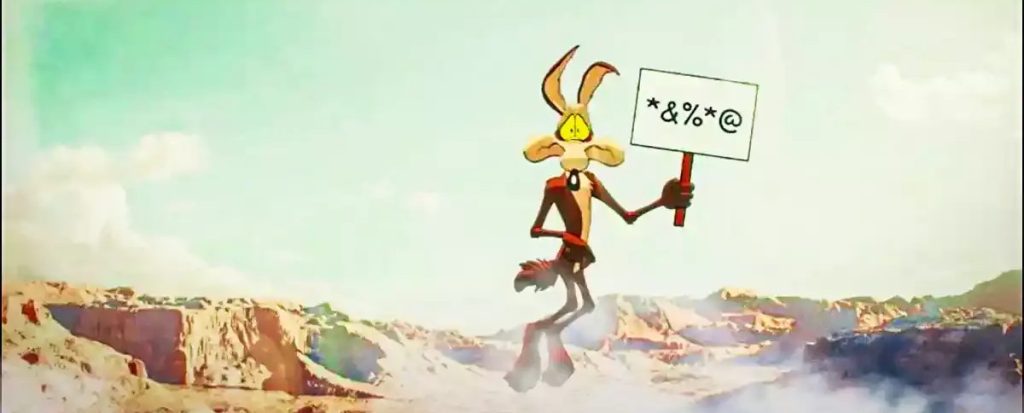
Why might they want to take a $35 million dollar tax write off over a potential $40 million dollars? Tax Write-offs give studios like Warner Bros an immediate benefit, whereas releasing the work and getting the extra estimated $5 million dollars takes a little more time, the tax benefit was seen as a safer bet. Writing off a project like this on taxes can help hit short term earnings targets, which is good for the companies stock value and investors, but this is only a short term play.
The logic behind this move comes down to Wall Street tactics. Studios taking a write-off get to deduct the project’s cost from their taxable income, softening the blow of a financial loss. But this tactic doesn’t just save a few dollars, it boosts quarterly earnings reports in order to appease shareholders, and it’s in the best interest of the executive to receive a greater performance-based bonus. Its corporate maneuvering designed for short term stock performance, even if it burns bridges with audiences, talent, and creative partners in the process.
When a finished film is shelved, it’s not just the studio that moves on. Directors, writers, animators, editors people who poured months or even years into a project, are left watching their work vanish into a vault. Actors careers can stall and nearly everyone involved receives reputational damage. The ripple effect goes far beyond a single tax form.

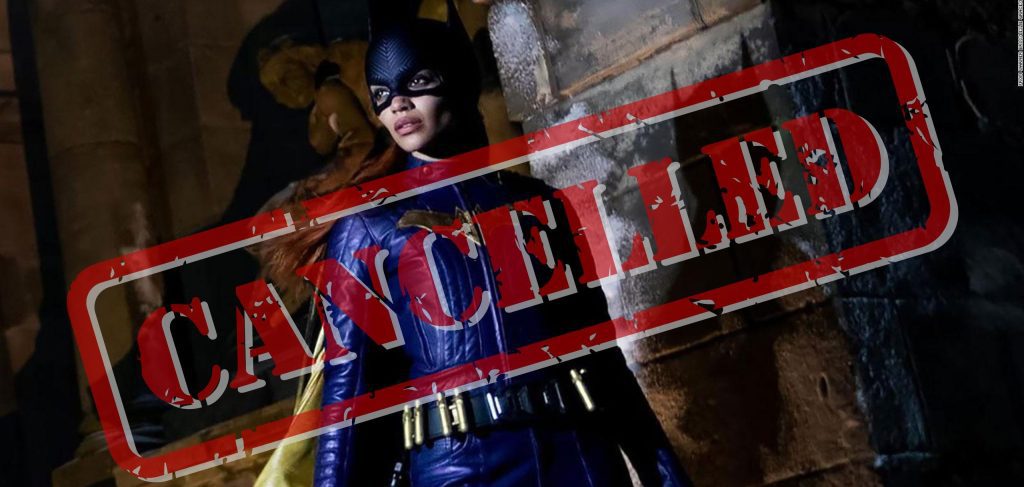
But when studios pull the plug on finished projects, they rarely admit it’s about money. Instead, they hide behind carefully crafted excuses. When Warner Bro’s cancelled the already completed Batgirl movie, which they spent $90 million dollars on, they claimed the movie was so bad it would hurt DC’s reputation. But that defense is not a good excuse when you look at their recent releases.
Black Adam, Which was a major flop with critics and audiences alike, or The Flash starring Ezra Miller Who damaged the films reputation with his assault charges, and other controversies, dragging the film through the mud before it even released. Both films were massive PR nightmares that still hit theaters. But Batgirl was apparently the film that would sink the DC Universe…
Other Companies like Disney are also not innocent. After purchasing Lucasfilms in 2012 for $4.05 billion dollars, one of the first moves they made was to cancel an entire Star Wars animated series. “Star Wars: Detours” had 62 episodes written and a large handful already produced. All of which were locked away in a vault because Disney wanted tighter control over the Star Wars image. It was one of the last pieces of Star Wars content lead by George Lucas himself.
Instead of quietly putting it up on Disney+ or having a limited run. The artists and creators that spent countless hours working on the series will never see their work completed because Disney needed “Tonal Control” … At the end of the day, Disney axed the show for money. Because it was a comedic take on Star Wars, they felt it might cheapen the brand and make audiences take the franchise less serious, hurting box office sales. But they were not protecting art, they were protecting the Star Wars money machine.
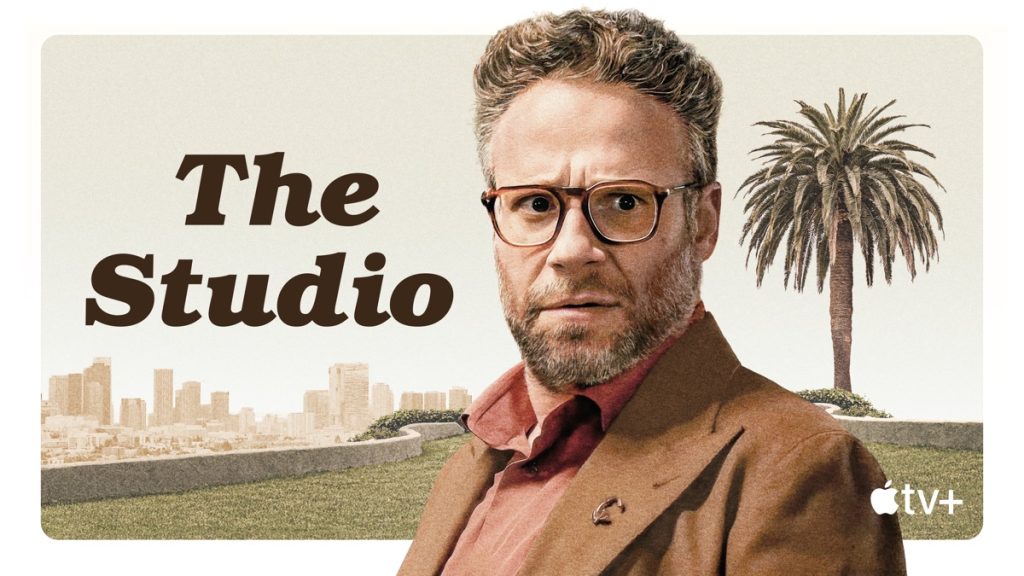
In a new Seth Rogen satire series called The Studio, the story follows Mr. Rogen, a Hollywood executive, who purchases Martin Scorsese’s final film, it’s Scorsese’s final goodbye to the movie business. Except the only reason Seth purchased his final movie was to kill it, since it was a competitor to one of Seth’s rival movie. Scorsese is devastated and brought to tears as his final masterpiece is tossed aside like a bad investment. This story is meant to be a satirical take on corporate Hollywood, and it actually hits really close to home. Years of passion and hard work discarded by people who never stepped on set.
For once, one of these films is going to make it out from that vault. After public outrage and industry pressure, the Loony Tunes film Coyote vs. Acme got a second chance! Warner Bros. recently reversed course and sold the film to a different distributor. It will now be championed by ‘Ketchup Entertainment’ and be released in theaters in 2026. It is a rare win in an industry known for burying finished projects.
The eventual sale of Coyote vs. Acme shows that shelving a project doesn’t always make the best business sense either, especially if mounting public criticism and industry pressure follows. Warner Bros. sold the film after likely realizing that the reputational damage and strained relationships with talent could cost more in the long run than any short term tax benefit.
In the end, Coyote vs. Acme serves as a reminder that even in the corporate Hollywood industry, creative work still holds value beyond immediate profits. The backlash they received proves that audiences and industry insiders wont stay quiet when art gets treated like it is disposable. It exposes the truth that creativity is a fight and with enough public pressure and backlash, the scales can be tipped.






This app is a game changer. The graphics are amazing and it doesn’t lag at all. Perfect for relaxing after a long day. Download jljl44app
Thank you for your sharing. I am worried that I lack creative ideas. It is your article that makes me full of hope. Thank you. But, I have a question, can you help me?
Your point of view caught my eye and was very interesting. Thanks. I have a question for you.
Living in the city it is hard to find a gaming site that truly understands local players but bddhaka7 nails it every single time. The localized payment options and quick response times make my experience so much better. bddhaka7
What’s the deal, everyone? I hit up ketqua888 just the other day, and it looks like an alright spot. Gotta compare it to your usual haunts, but it wasn’t terrible. Give it a try at ketqua888.
Thank you for your sharing. I am worried that I lack creative ideas. It is your article that makes me full of hope. Thank you. But, I have a question, can you help me?